



GRP stands for Glass-Reinforced Plastic (also known as fiberglass or GFRP). It is a composite material embeds fine glass fibers in a polymer resin. The resulting GRP material combines lightweight plastic with high-strength glass. In practical terms, GRP is a fiber-reinforced plastic that can replace metals in many engineering applications. GRP is strong yet lightweight, making it ideal for structures and parts where weight is a primary concern.
Advantages of GRP
One of GRP’s biggest strengths is its high strength-to-weight ratio. For example, GRP components can be roughly 75% lighter than steel and still carry comparable loads. This means a GRP ladder or support beam is much easier to handle and install than a steel one, saving on transport and labor.
GRP also offers exceptional corrosion resistance: the plastic resin matrix is virtually immune to rust and chemical attack. A GRP pipeline will not corrode over time, remaining maintenance-free even in aggressive environments.
- High Strength, Low Weight: GRP can match or exceed the tensile strength of steel while weighing far less. This makes GRP ideal for load-bearing parts like pultruded profiles and gratings that must be strong but easy to install.
- Corrosion and Chemical Resistance: GRP’s glass and resin are inert to most acids, alkalis, and salts. GRP pipes, tanks, and panels are widely used in chemical plants, wastewater systems, and marine applications where metal parts would quickly deteriorate.
- Electrical Insulation & Safety: GRP is electrically non-conductive and non-sparking. That makes it safe for use near electrical equipment or high-voltage lines. Unlike metal, GRP won’t short out circuits or spark in explosive atmospheres.
- Low Maintenance & Longevity: With proper design, GRP parts last for decades with almost no upkeep. GRP does not rust, rot, or wear easily, and UV-stable pigments prevent fading. Walkways, handrails, and structural elements made of GRP often require no painting or replacement for 20–50 years.
- Design Versatility: GRP can be molded or pultruded into complex shapes, from long profiles to wide panels and gratings. Standard tools can cut and trim it on-site. For example, engineers use GRP sheets and panels for roofs and enclosures, or fabricate GRP handrail systems custom-fit to each project.
- Light Handling: Being about one-quarter the weight of steel, GRP components are much easier to move and install. This reduces shipping costs and lowers the need for cranes or heavy equipment on site.
- Other Perks: Specialized GRP can be made flame-retardant or given anti-slip textures to meet safety needs. GRP also has a very low resale (scrap) value, so parts are unlikely to be stolen.
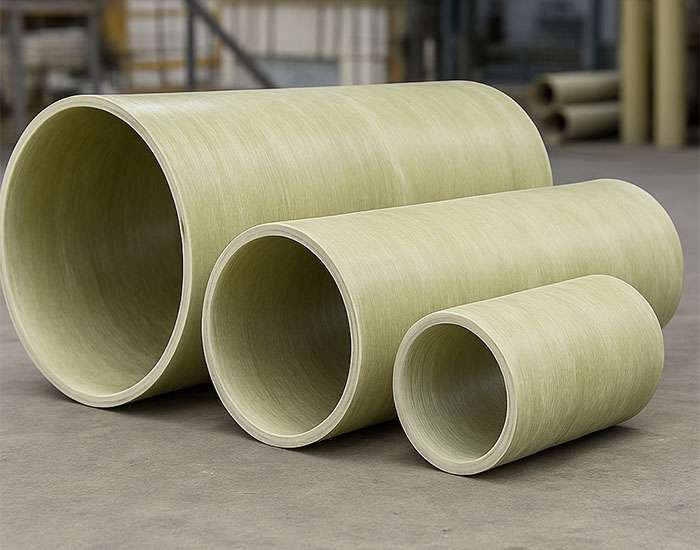
These advantages make GRP a smart choice when engineers need strong, durable components that require minimal upkeep. For example, glass-reinforced plastic pipes (GRP pipes) are commonly chosen for water and chemical systems because of their long life and low maintenance.
Disadvantages of GRP
While GRP shines in many areas, it also has some engineering limitations:
- Lower Rigidity: GRP has a lower modulus of elasticity than steel or aluminum, so it flexes more under load. Long, unsupported spans of GRP may sag unless the design includes extra thickness or ribs. GRP parts must be sized to keep deflection and vibration within acceptable limits.
- Temperature Limits: Most GRP resins soften at elevated temperatures. Standard polyester GRP is typically rated only up to about 100 °C continuous use. (Above 50–60 °C, GRP gradually loses strength.) Thus, GRP is not suitable for extremely hot applications. Specialized high-temperature GRP exists, but ordinary GRP must be kept well below metal melting points.
- Brittleness: Under sudden impact, GRP can crack or shatter instead of bending. It is much less ductile than steel. This means GRP parts can be susceptible to damage from hard blows or overloading. Engineers must design GRP parts with adequate safety margins or protective support to prevent brittle failure.
- Tooling Costs: Producing GRP parts usually requires a custom mold or pattern. For unique or small-lot components, this up-front tooling cost can be significant. Even for larger production runs, the initial mold expense adds to the project budget. In contrast, metal fabrication often needs standard cutting or welding tools.
- Repair Difficulty: While GRP is tough, repairing it isn’t as simple as welding steel. A broken GRP part often needs to be replaced rather than fixed. If repairs are attempted, they require special resins and careful lamination, and the part may never regain full original strength.
- Environmental/Size Considerations: The chemicals and resins used in GRP production are not always eco-friendly. Recycling scrap GRP is difficult, so disposal or second-life use must be considered. Also, GRP items are made in their final shape – you need molds as big as the final part. This means very large GRP structures are limited by available tooling.
In short, engineers need to account for GRP’s stiffness, temperature, and production constraints during design. However, in many cases, the advantages far outweigh the disadvantages. By choosing the right resin, fiber orientation, and geometry, designers can mitigate most of GRP’s weaknesses.
Choosing the Right Partner for GRP Solutions
Given GRP’s unique properties, working with a knowledgeable manufacturer is key. At Jmfrp, we specialize in the custom manufacturing of GRP components. Our team blends engineering know-how with advanced production methods (pultrusion, molding, filament winding, etc.) to craft GRP parts that match your exact needs.
We help select the optimal glass fiber layup and resin system so that the finished GRP profile, panel, or pipe delivers the expected strength and durability. Because we focus on performance and customization, each component is optimized for strength and cost-effectiveness.
In short, Jmfrp combines decades of GRP expertise with modern fabrication capabilities. Contact us for a consultation if you consider GRP for your next project. Our engineers can help you leverage GRP’s advantages and address its constraints. We will work with you to design a solution that is lightweight, corrosion-resistant, and custom-fit to your specifications. With Jmfrp’s custom GRP manufacturing services, your next structure or component will be stronger, lighter, and built to last.

