

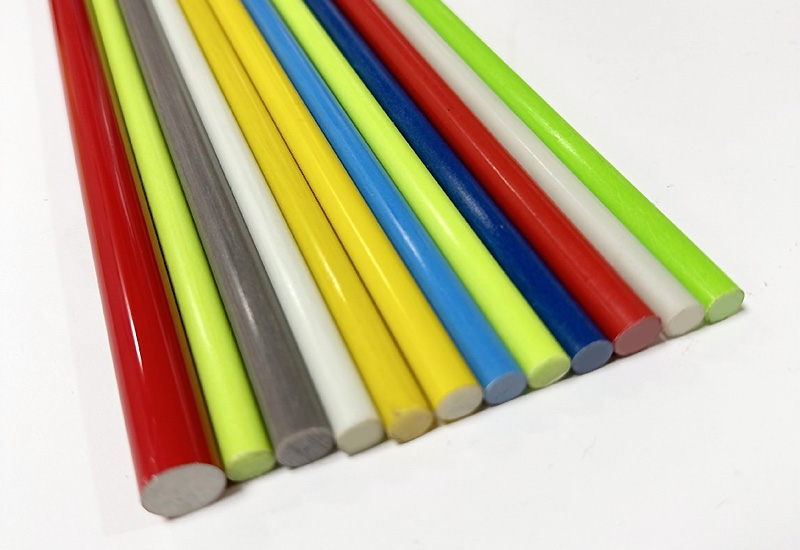
Fiberglass Rods
Jmfrp is a leading fiberglass rod manufacturer offering durable, lightweight, and customizable solutions for a wide range of industrial and engineering applications.

Professional-Grade Fiberglass Rods
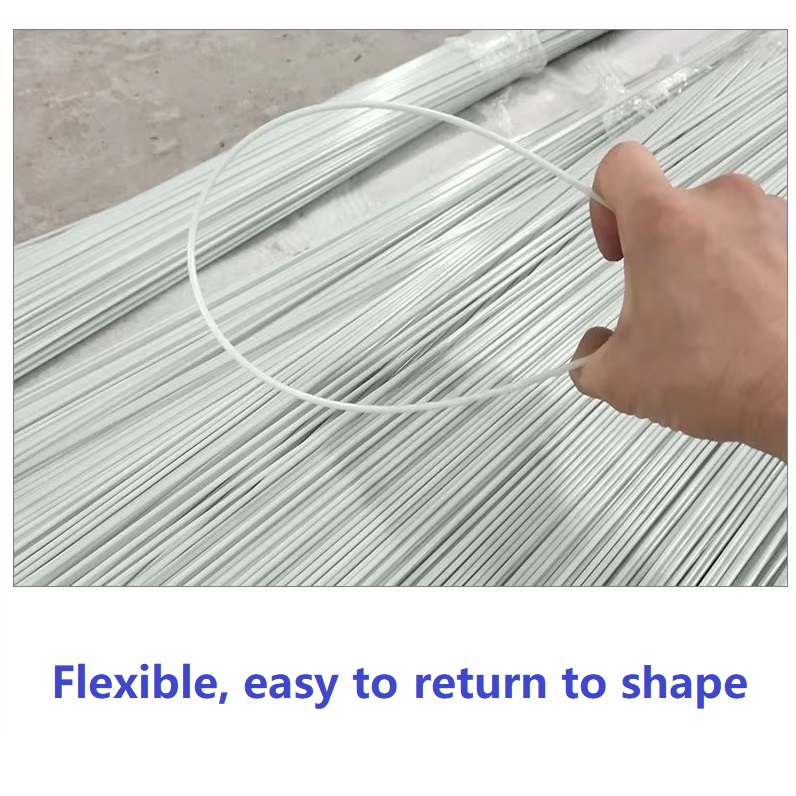
Our fiberglass rods are made from durable, pultruded FRP composite material that offers an exceptional balance of flexibility and strength. Engineered to be lightweight yet incredibly strong, these rods provide excellent electrical insulation and are non-conductive—ideal for applications where electromagnetic interference or sparks could pose risks. With outstanding resistance to corrosion and environmental stress, our fiberglass rods are ideally suited for demanding conditions, ensuring reliable performance in settings ranging from flammable or explosive areas to environments with magnetic sensitivity.
Why Choose Us?
When you choose Jmfrp, you benefit from a blend of advanced manufacturing processes and strict quality control. Our fiberglass rods are designed to outperform traditional materials, delivering:
- Superior Strength-to-Weight Ratio: Our rods are remarkably lightweight—only about 20% of the density of steel and 70% that of aluminum—while offering tensile strength that can exceed steel’s.
- Enhanced Durability: Our rods have excellent impact and fatigue resistance and can handle significant bending loads without permanent deformation.
- Outstanding Safety: Their exceptional electrical insulation and magnetic transparency make them perfect for use in sensitive environments such as MRI facilities or areas with conductive hazards.
- Reliable Quality: Our state-of-the-art production methods ensure every product meets the highest industry standards, offering you peace of mind and consistent performance.
Jmfrp’s Customization Services
At Jmfrp, we understand that every project has unique requirements. That’s why we offer extensive customization options for our fiberglass rods:
- Size & Diameter: We manufacture rods ranging from 0.8mm to 30mm and can adjust dimensions to your needs.
- Shape Options: Choose from various profiles, including solid round, oval, rectangular, triangular, or even custom shapes like a hollow square with a concentric inner circle.
- Surface Finishing: Enhance functionality and aesthetics with services such as silk screening, color matching, sharpening rod ends, creating armor rod heads, drilling, milling grooves, and slotting.
- Tailored Solutions: Our flexible production capabilities ensure that whether you need rods for structural applications, outdoor products, or specialized industrial uses, your exact specifications are met.
Applications of Fiberglass Rods
Fiberglass rods are versatile, high-strength composite materials used across various industries. Their lightweight yet robust nature makes them ideal for:
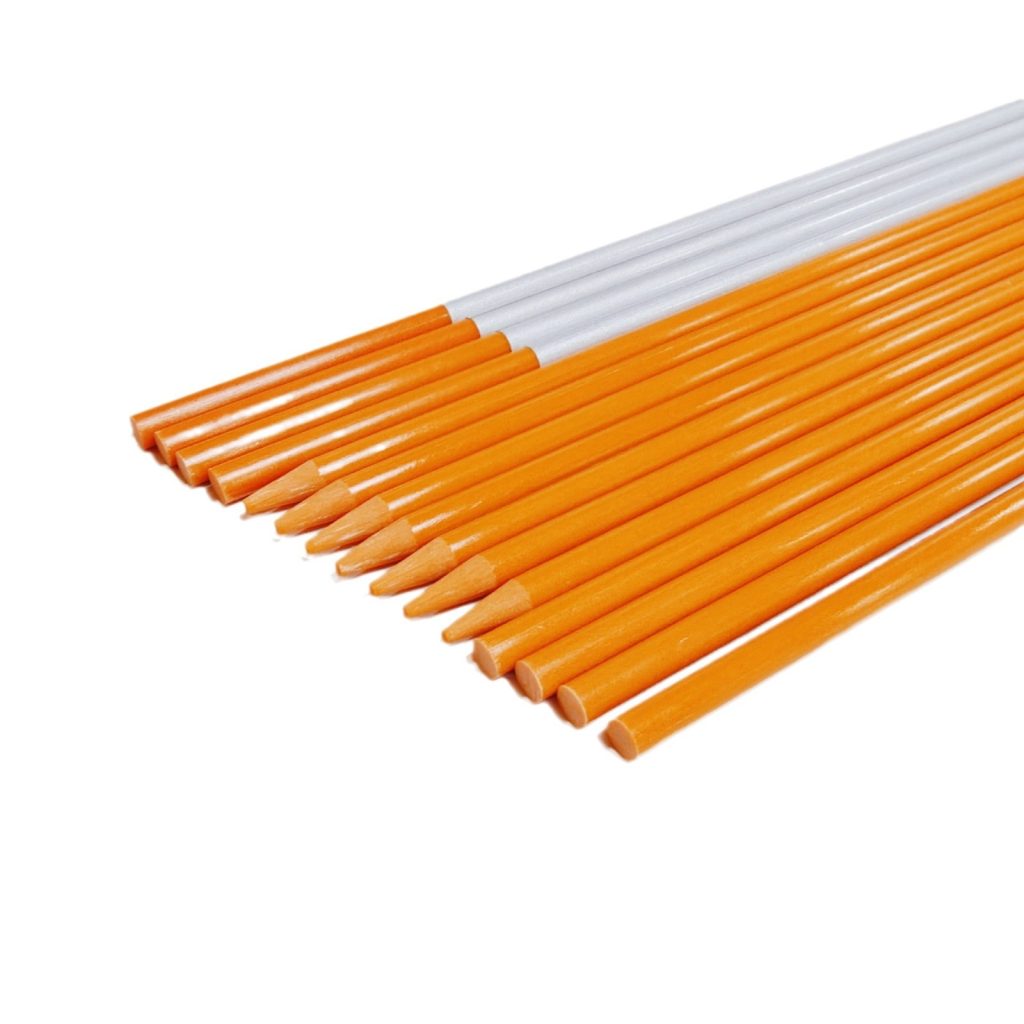
- Outdoor & Recreational Products: Commonly used for tent poles, flagpoles, umbrella frames, and garden ceilings, they offer durability and ease of handling.
- Consumer Goods: From fishing rods and arrow shafts to luggage frames and advertising brackets, their non-conductive and resilient properties provide reliable performance.
- Industrial & Structural Uses: Fiberglass rods are essential for brackets, shafts, and struts in aviation, railways, construction, and furniture manufacturing, enhancing overall stability and durability.
- Electronics & Specialized Environments: Their excellent insulation and flame-retardant properties make them suitable for PCB equipment and other applications where electrical safety is paramount.
- Agricultural & Support Applications: Ideal for tree supports in nurseries and other outdoor installations where rust and decay are a concern.
Technical Specifications (Sample Data, Subject to Calibration)
Fiberglass rods use different resin parameters to meet the needs of working conditions.
| Properties | Unit | Index Value |
|---|---|---|
| Density | g/cm3 | 1.8~1.9 |
| Water Absorption | mg | ≤20 |
| Distortion Temperature | ℃ | ≥240 |
| Impact Strength | KJ/M2 | ≥90 |
| Flexural Strength | MPa | ≥200 |
| Compressive Strength | MPa | ≥200 |
| Insulation Resistance (ordinary state) | Ω | ≥1.0×10¹² |
| Insulation Resistance (Immersion in water) | Ω | ≥1.0×10¹¹ |
| Electric strength (in 900°c transformer oil) | KV/mm | ≥10 |
| Arc Resistance | S | ≥180 |
| PTI | V | ≥600 |
| Combustibility | Grade | FVO |
| Thermal Index | ℃ | 180 |


Frequently Asked Questions
A: Keep rods in a dry, well-ventilated area, out of direct sunlight or extreme temperatures, to prevent resin ageing and fibre weakening. Use soft straps or padding to avoid knocks or pinching that could scratch the surface or cause hidden cracks when moving them.
A: Use a fine-tooth circular blade or portable band saw, and wrap masking tape around your cut line to minimise splintering. After cutting, smooth the edges with fine-grit sandpaper, then coat the end with a thin layer of resin or sealant to lock out moisture and prevent delamination.
A: Bundle rods on pallets or in sturdy crates, and slip plastic or foam end caps over each rod to shield the ends. Add bubble wrap or vibration-dampening foam for long-haul or overseas shipments to guard against bending or cracking during rough transport.
A: For standard off-the-shelf sizes, you’ll usually ship within 1–3 business days. Custom dimensions or speciality resins require 3–4 weeks for manufacturing and quality checks before shipping.
A: Epoxy-based and methacrylate structural adhesives both provide strong, weather-resistant bonds. Before painting, lightly sand and clean the surface, then apply a compatible primer (such as an epoxy- or polyurethane-based primer) to ensure your topcoat adheres properly.
A: Modular push-pull rods with magnetic or spring-loaded end fittings work great for pulling cables or threading through conduits. In tricky runs, use guide sleeves and mounting clips to minimize rod-to-pipe friction and extend rod life.
A: Yes—testing to standards like ASTM F711 covers tensile, flexural, compression, and shear strength. You can also request dielectric strength and leakage current tests to verify safety in high-voltage insulation applications.
A: Common approaches include mechanical grinding for filler material, thermal recovery via controlled incineration, or chemical recycling to break down the resin for reuse. Emerging methods like chemical depolymerisation and biodegradable resin systems are also under development to boost circularity.
