



Flame-retardant fiber-reinforced polymer (FRP) composites are high-performance engineering materials that suppress combustion and delay flame spread by modifying the polymer matrix. While maintaining the mechanical strength and rigidity bestowed by glass fiber or carbon fiber reinforcing phases, this type of material significantly enhances fire safety, making it an indispensable engineering material in critical scenarios such as transportation infrastructure, construction, and the energy industry.
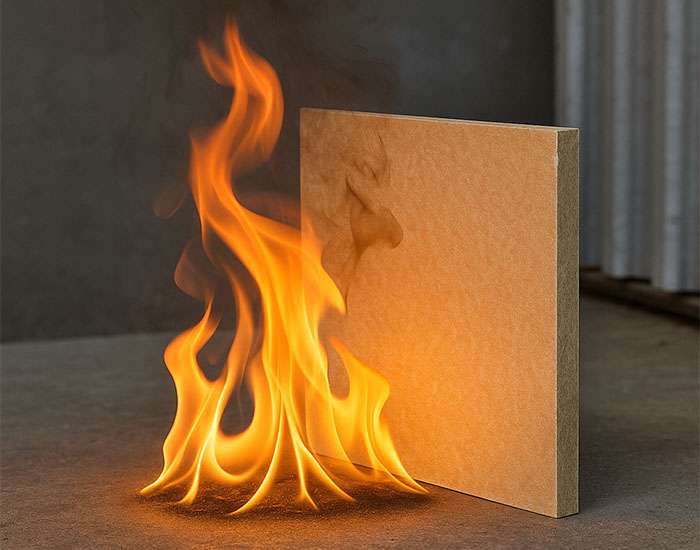
The core value of fire safety
Compared with ordinary plastics or unmodified FRP materials, flame-retardant fiberglass reinforced plastics effectively solve the combustion risk of traditional materials in high-temperature scenarios by integrating the matrix’s structural characteristics with the flame-retardant modification technology. The flame-retardant FRP with scientific formula not only meets the strict combustion performance standards such as UL94 and ASTM E84, but also retains the core advantages such as lightweight, corrosion resistance, and electrical insulation, achieving the coordinated improvement of safety performance and functional characteristics.
Typical application scenarios and technical standards
1. The field of rail transit
FRP interior components applied in rail vehicles, aircraft, and public transportation systems (including seat shells, ventilation ducts, vehicle body panels, etc.) need to comply with the strict requirements of the NFPA 130 standard for smoke toxicity, flame spread rate, and heat release volume to ensure the safety of personnel evacuation in emergency situations.
2. Construction safety engineering
In densely populated places such as commercial complexes and industrial plants, the grating platforms, anti-slip steps and building curtain wall systems made of flame-retardant fiberglass reinforced plastic must meet the fire protection grade 1 stipulated in ASTM E84 (flame spread index ≤25), and at the same time satisfy the UL94 V-0 flame-retardant standard, taking into account both long-term durability and fire prevention and control requirements.
3. Protection of energy facilities
Based on the lessons learned from the Piper Alpha platform accident, fire-resistant FRP is widely used in offshore drilling platforms and petrochemical plants to manufacture equipment supports, pipe gallery systems, and protective enclosures. Such applications must pass the ISO 834 standard fire resistance test to ensure structural integrity for more than 2 hours in hydrocarbon fire scenarios, buying critical time for personnel evacuation and emergency rescue.
This technical system, through material modification innovation and standardisation verification, has built a multi-level fire safety solution for modern industry, continuously promoting the expansion of the application boundaries of special composite materials in extreme environments. Common Flame-Retardant FRP Technologies
| Technology | Description | Advantages | Considerations |
| Brominated Resins | Vinyl ester or polyester resins with bromine and additives like antimony trioxide | Excellent UL94 V-0 rating, rapid self-extinguishing | Smoke/toxic byproducts (halogenated) |
| Phenolic Resins | Thermosetting resin with high thermal stability and low smoke emission | Low toxicity, low smoke, high char stability | Brittle in some applications |
| Intumescent Systems | Coatings or fillers that swell when exposed to heat, forming an insulating char barrier | Compatible with many FRP systems, Class A E84 compliant | May require reapplication or maintenance |
Fire Safety Standards for FRP Composites
UL 94: This plastic flammability test assigns ratings like V-0 (self-extinguishing within 10 seconds) to V-2. Flame-retardant FRP that meets UL94 V-0 ensures high flame resistance with minimal dripping or sustained burn.
ASTM E84: Also known as the tunnel test, ASTM E84 measures flame spread and smoke development. Materials rated Class A (or Class 1) have flame spread indices below 25—ideal for wall panels, ceilings, and construction elements.
NFPA 130: Specific to transit systems, NFPA 130 requires materials in rail and subway cars to meet flame, smoke, and toxicity thresholds. Many fire-rated FRP products are certified to comply with these stringent requirements.
Other relevant tests include ASTM D635 (for burn length), ASTM E136 (for non-combustibility), and EN 13501 (for Euroclass ratings in Europe).
How JMFRP Delivers Fire-Safe FRP Solutions
At JMFRP, we specialise in producing flame-retardant fibreglass tubes, rods, gratings, sheets, and fence systems. Our formulations are engineered to meet:
- UL94 V-0 for vertical burn performance
- ASTM E84 Class A for flame spread and smoke development
- NFPA 130 for transit applications
We offer solutions built with brominated resins, phenolic systems, and intumescent coatings tailored to your industry’s compliance and safety goals.
Conclusion: Choose Certified FRP for Safety-Critical Applications
When it comes to fire safety, there’s no room for compromise. Flame-retardant FRP composites help protect lives and infrastructure while maintaining the corrosion resistance and mechanical strength that fiberglass is known for.
To learn more about our flame-retardant product line or to request certification data, contact JMFRP today. Our team is here to help you select the safest, most effective FRP solution for your project.

