



Glass fibre reinforced plastic (FRP) is a lightweight and high-strength composite material that can enhance the efficiency and range of electric vehicles. FRP has a higher strength-to-weight ratio than steel or aluminium and can significantly reduce the overall vehicle weight. Glass fibre costs are lower than carbon fibre, making it suitable for large-scale applications. Glass-reinforced composite materials can meet the lightweight requirements of batteries and vehicle frames, help extend driving range, and are also ideal structural materials with high strength and corrosion resistance. The G10 FR4 composite board material, with its non-absorbency and chemical inertness, is highly suitable for battery environments. FRP is playing an increasingly crucial role in the design of electric vehicles.
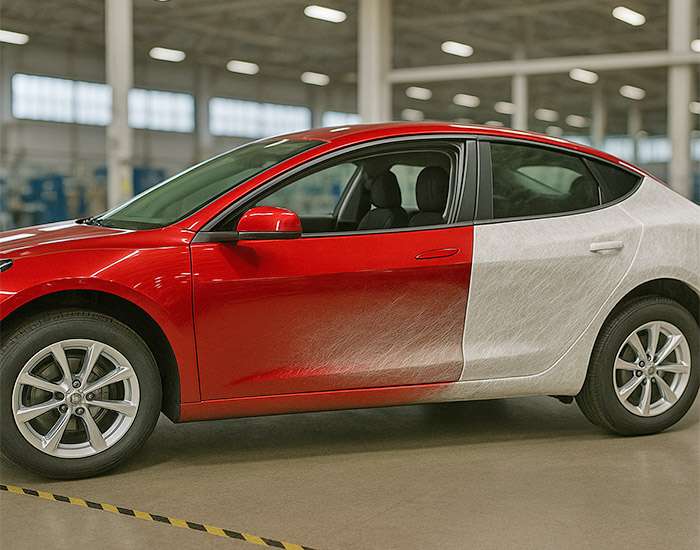
JMFRP is a leading supplier of fiberglass composites, offering a wide range of products, including fiberglass tubes, rods, gratings, and sheets, that enable engineers and designers to fully utilise FRP.
Why fibreglass is critical to modern electric vehicles
Lightweight without compromise
Reducing vehicle weight is critical to maximising electric vehicle battery efficiency and range. Fiberglass composites offer an excellent strength-to-weight ratio—in fact, they are a quarter of the weight of steel with comparable tensile strength. As a result, fiberglass composites are ideal for replacing heavier materials in battery housings, structural supports, and body components.
Superior corrosion and chemical resistance
Unlike metals, fiberglass will not rust or degrade when exposed to moisture, chemicals, or road salt. This makes fiberglass an ideal material for electric vehicle applications such as battery trays, underbody guards, and charging station components that must be durable for a long time.
Electrical and Thermal Insulation
Fibreglass-reinforced plastic (FRP) materials are inherently non-conductive and have low thermal conductivity, improving the safety of electric vehicle systems. This is particularly important in battery enclosures, where temperature management and insulation of high-voltage systems are critical.
Cost-effective and design-friendly
Fiberglass FRP is more economical than carbon fibre and offers significant performance advantages. The versatility of moulding and pultrusion technology allows engineers to design highly customised components for electric vehicle applications.
Fiberglass structural components for electric vehicle design
Fiberglass Tubes and Rods
JMFRP’s pultruded fiberglass tubes and rods are used as support beams, spacers, and bracing elements for electric vehicle battery packs, chassis, and high-voltage component supports. These components provide excellent stiffness and electrical insulation while being lightweight and fatigue resistant.
Fiberglass Sheets and Laminates
Flat fibreglass and moulded panels are used in various applications, from body panels and skid plates to battery enclosures and heat shields. Their low thermal conductivity helps maintain optimal battery temperatures, and their corrosion resistance ensures long product life.
Fiberglass infrastructure solutions for electric vehicle facilities
Fiberglass Grating
JMFRP’s molded fiberglass grilles are ideal for electric vehicle assembly lines, service centers and outdoor charging areas. They provide a slip-resistant, non-corrosive flooring solution that can withstand heavy traffic and chemical spills without maintenance.
Fiberglass Fencing and Safety Barriers
Fibreglass fencing provides a safe, non-conductive barrier solution at charging stations or high-voltage zones. Lightweight, weather-resistant, and durable, JMFRP’s fiberglass fencing is the best choice for demarcating sensitive equipment and maintaining compliance with safety codes.
Real-World Impact: How FRP Enhances EV Performance
Many electric vehicle manufacturers are replacing aluminium and steel housings with fibreglass-reinforced plastics. In one case, a composite battery enclosure reduced weight by 30 per cent while maintaining structural integrity and improving insulation. This change has reduced vehicle weight and improved battery safety, key goals in electric vehicle design.
By integrating JMFRP fiberglass materials into EV platforms, automakers can achieve similar performance gains. Whether it’s fiberglass rods to reduce frame weight or grille systems to improve worker safety in charging facilities, the benefits are real and measurable.
Partnering with JMFRP for the Future of Electric Mobility
JMFRP is committed to supporting the transition to electric vehicles through advanced composite solutions. Our fiberglass tubes, rods, panels, gratings and grills meet the evolving needs of the FRP automotive industry.
If you’re an engineer, designer, or procurement professional exploring ways to optimise your electric vehicle project, JMFRP is ready to support your innovations. Please contact us for product specifications, design inquiries, or to request samples.

